
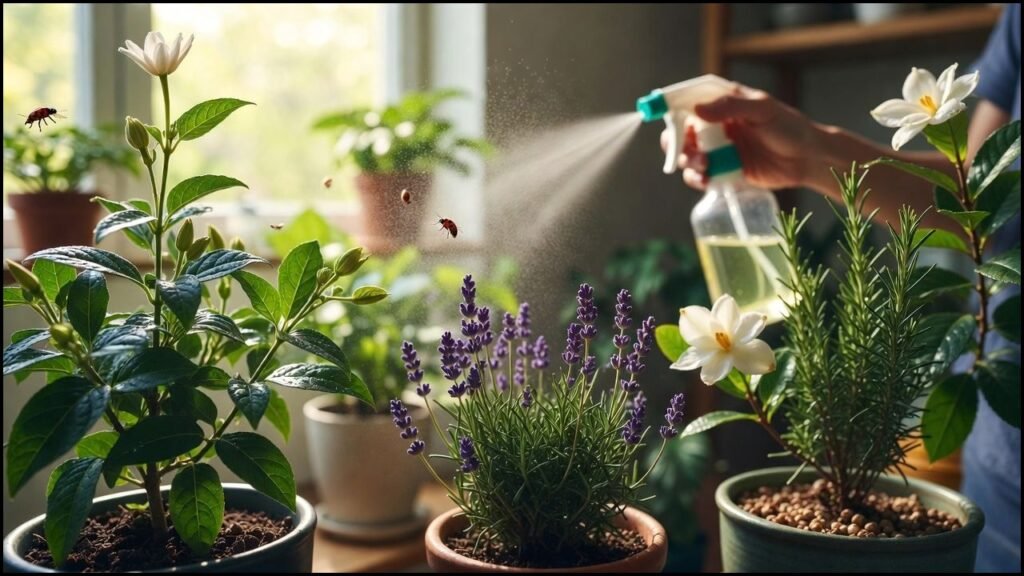
Pruning fragrant indoor plants is an essential practice for maintaining their health, appearance, and signature aroma. While many people associate pruning with shaping plants, it plays a much larger role in stimulating growth, improving flowering, and enhancing the natural scent of both leaves and blooms.
By removing dead or overgrown stems and leaves, you allow the plant to focus its energy on producing fresh growth and fragrant flowers, ensuring your indoor garden remains vibrant and aromatic throughout the year.
Proper pruning also helps control the size and shape of indoor plants, making them easier to manage and integrate into your home décor. Overgrown or leggy plants can block light, reduce airflow, and limit the production of aromatic oils, resulting in weaker fragrance and fewer blooms. Regularly trimmed plants are not only healthier but also more visually appealing, creating a lush and inviting indoor environment.
Understanding when, why, and how to prune is key to preserving your plants’ fragrance. Pruning at the right time encourages bushier growth, enhances flower production, and maintains the balance between foliage and blooms.
Different types of fragrant plants, such as foliage-scented herbs like mint and lemon balm, or flowering plants like jasmine and gardenia, require tailored pruning techniques to maximize both health and aroma.
This guide will teach you the essentials of pruning fragrant indoor plants. You’ll learn the best timing, proper tools, and step-by-step techniques to encourage healthy growth, more blooms, and stronger fragrance. With consistent care and careful pruning, your indoor plants can thrive year-round, filling your home with greenery, life, and delightful scents.
Understanding the Purpose of Pruning
Pruning is more than just cutting back plants to shape them—it is a vital practice that directly affects the health, growth, and fragrance of indoor plants. Understanding the purpose of pruning helps you make informed decisions about when and how to trim your fragrant plants for the best results.
Removing Dead or Damaged Leaves and Stems
Dead, yellowing, or damaged leaves not only look unattractive but also divert energy away from healthy growth. By removing these parts, the plant can focus its resources on producing new leaves, flowers, and aromatic oils, which enhances overall fragrance.
Encouraging New Growth and Stronger Aroma
Pruning stimulates growth by signaling the plant to produce fresh shoots. For many aromatic plants, new growth produces the highest concentration of essential oils, meaning that well-pruned plants often have stronger scent and more vibrant foliage.
Controlling Plant Shape and Size
Indoor plants can quickly become overgrown or leggy if not pruned regularly. Pruning helps maintain a balanced shape, prevents overcrowding, and ensures proper airflow and light penetration. These factors are essential for healthy growth and maximizing the plant’s natural fragrance.
Improving Flower Production
For flowering fragrant plants, strategic pruning can remove spent blooms and encourage more flowers to develop. This not only enhances the visual appeal but also strengthens the plant’s aroma throughout the blooming season.
Best Time to Prune Fragrant Indoor Plants
Timing is a crucial factor when pruning fragrant indoor plants. Pruning at the right time ensures healthy growth, promotes abundant blooms, and maintains the plant’s natural fragrance without causing stress.
Seasonal Timing
Spring and Early Summer: This is the optimal period for most indoor plants because they are entering or in their active growth phase. Pruning during this time encourages new shoots, fuller foliage, and stronger fragrance.
Avoid Dormancy Periods: Refrain from heavy pruning during winter or periods of slow growth. Cutting back plants during dormancy can weaken them and reduce blooming potential.
Signs Your Plant Needs Pruning
Overgrown or Leggy Growth: Long, sparse stems may indicate the plant needs trimming to encourage bushier growth.
Yellowing or Damaged Leaves: Dead or unhealthy foliage should be removed promptly to redirect energy to healthy parts of the plant.
Spent Flowers: For flowering fragrant plants, removing faded blooms, known as deadheading, stimulates new flowering and maintains fragrance.
Frequency of Pruning
Light pruning can be done throughout the growing season as needed to maintain shape and remove minor damaged areas.
Major pruning or shaping should be done during active growth periods to ensure rapid recovery and minimal stress.
By pruning at the right time and observing your plant’s needs, you ensure healthy, aromatic growth while enhancing its overall appearance and fragrance. Proper timing maximizes the benefits of pruning without disrupting your plant’s natural growth cycles.
Tools You Need for Pruning
Using the right tools is essential for effective and safe pruning of fragrant indoor plants. Proper tools help make clean cuts, prevent damage to the plant, and reduce the risk of spreading diseases.
Essential Pruning Tools
Sharp Scissors or Pruning Shears: Use clean, sharp scissors for small cuts and precision trimming. Pruning shears are ideal for thicker stems.
Disinfectants: Wipe tools with rubbing alcohol or a mild bleach solution before and after pruning to prevent the spread of disease between plants.
Gloves: Protect your hands when handling thorny or sticky plants, such as certain flowering shrubs or herbs.
Additional Tips for Tool Use
Keep Tools Sharp: Dull blades can crush stems and leaves, slowing healing and increasing the risk of infection.
Make Clean Cuts: Cutting at a slight angle just above a node or leaf junction encourages proper healing and new growth.
Avoid Overcutting: Only remove what is necessary to maintain plant health and fragrance, avoiding unnecessary stress.
Having the right tools and knowing how to use them properly ensures that pruning is effective, safe, and supports the overall health and aroma of your indoor plants.
Conclusion
Pruning fragrant indoor plants is essential for maintaining their health, encouraging new growth, and enhancing their natural aroma. By understanding the purpose of pruning, choosing the right timing, and using proper tools, you can keep your plants vibrant, full, and fragrant throughout the year.
Regular pruning removes dead or damaged leaves, stimulates fresh growth, and ensures that flowering plants produce more blooms, maximizing both visual appeal and scent. Combined with proper care—such as adequate light, water, and humidity—pruning helps indoor plants thrive in confined spaces while preventing overcrowding and stress.
With careful observation, consistent pruning, and gentle technique, you can create a lush, aromatic indoor garden that fills your home with greenery, flowers, and delightful fragrance. Well-pruned plants not only look beautiful but also thrive, offering stronger scent and healthier growth season after season.