
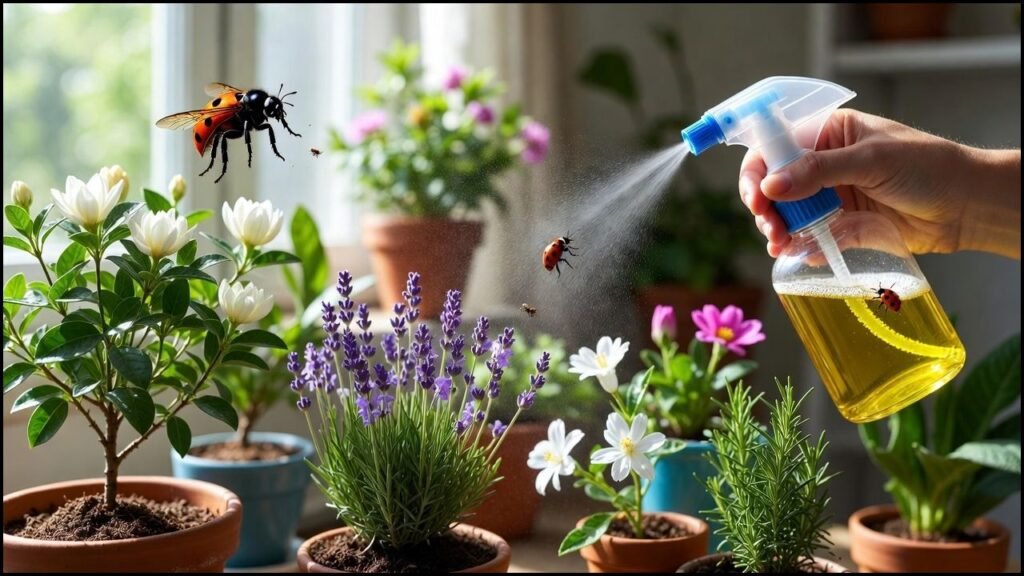
Fragrant indoor plants add beauty, color, and delightful scents to your home, but they can also attract pests if not properly cared for. Pests such as aphids, spider mites, and mealybugs feed on plant sap, damage leaves and flowers, and can reduce the intensity of your plant’s natural fragrance. Over time, infestations can weaken plants, slow growth, and even lead to plant death. Protecting your plants from pests is essential to maintain their health, appearance, and aroma.
Many gardeners prefer natural pest control methods over chemical pesticides because they are safer for humans, pets, and the environment. Chemical treatments can harm beneficial insects, disrupt indoor ecosystems, and sometimes leave residues on leaves or flowers. Natural approaches, on the other hand, focus on prevention, careful monitoring, and using gentle, non-toxic solutions that keep pests in check while allowing your fragrant plants to thrive.
Protecting indoor plants naturally begins with understanding the types of pests that commonly attack them and recognizing the early signs of infestation. Preventive measures, such as maintaining clean soil and proper watering practices, can significantly reduce the risk of pests. Additionally, natural remedies like neem oil, insecticidal soaps, companion planting, and homemade sprays offer effective ways to treat infestations without harming your plants or your home environment.
This guide will show you how to protect your fragrant indoor plants from pests naturally. You’ll learn how to identify common pests, spot early signs of infestation, implement preventive measures, and use safe, natural treatments to maintain healthy, aromatic plants. With consistent care and observation, you can create an indoor garden that remains vibrant, fragrant, and pest-free throughout the year.
Common Pests on Fragrant Indoor Plants
Indoor fragrant plants can attract a variety of pests, each of which can damage leaves, stems, and flowers, ultimately affecting the plant’s growth and aroma. Knowing which pests to watch for is the first step in natural pest control.
Aphids
Aphids are small, soft-bodied insects that feed on plant sap, often clustering on new growth. They can cause yellowing leaves, distorted growth, and a sticky residue called honeydew, which may attract mold.
Spider Mites
These tiny pests are almost invisible to the naked eye but leave fine webbing on leaves and stems. Spider mites suck the sap from plants, causing speckled leaves, leaf drop, and reduced fragrance. They thrive in dry indoor conditions.
Mealybugs
Mealybugs appear as white, cottony masses on leaves and stems. They feed on plant sap, weakening the plant and causing yellowing or stunted growth. Mealybugs are common on aromatic plants like jasmine and gardenia.
Fungus Gnats
Fungus gnats are small, flying insects that lay eggs in moist soil. While adults are mostly a nuisance, their larvae feed on roots, damaging the plant and inhibiting growth. Overwatering often attracts these pests.
Scale Insects
Scale insects look like tiny brown or gray bumps on stems and leaves. They extract sap from the plant, causing weakened growth, yellowing leaves, and poor flowering. Some species excrete honeydew, attracting ants and mold.
Recognizing these common pests early is key to protecting your fragrant indoor plants naturally. Regular inspection allows you to intervene before infestations spread, helping your plants remain healthy, vibrant, and aromatic.
Signs Your Plant Has a Pest Problem
Detecting pest infestations early is crucial for protecting fragrant indoor plants. Pests can weaken plants, reduce flowering, and diminish fragrance, so knowing the warning signs allows you to act quickly with natural solutions.
Yellowing, Curling, or Sticky Leaves
Many pests, such as aphids and mealybugs, feed on plant sap, which can cause leaves to yellow, curl, or develop a sticky coating called honeydew. Sticky residue may also attract mold or ants.
Reduced Flowering or Weak Aroma
Fragrant plants may produce fewer blooms or less aromatic foliage when under pest stress. A noticeable decrease in fragrance or smaller flowers can indicate that pests are interfering with the plant’s nutrient uptake.
Visible Insects or Webbing
Some pests are easier to spot. Look for clusters of aphids, cottony mealybugs, tiny scales, or fine webbing from spider mites. Checking both the tops and undersides of leaves, stems, and new growth is important for early detection.
Slow Growth or Drooping Foliage
Infested plants may grow more slowly, appear weak, or have drooping leaves due to sap loss and stress. Roots may also be affected in the case of fungus gnats, leading to overall poor plant health.
By regularly inspecting your fragrant indoor plants for these signs, you can identify pest problems early and apply natural control methods before damage spreads. Vigilant observation is the first step in keeping your indoor garden healthy, thriving, and aromatic.
Preventive Measures
Preventing pest infestations is always easier and safer than treating them after they appear. By taking proactive steps, you can keep your fragrant indoor plants healthy, vibrant, and aromatic without relying on harsh chemicals.
Inspect New Plants Before Bringing Them Indoors
New plants can carry pests that quickly spread to your existing indoor garden. Before introducing a new plant, examine leaves, stems, and soil carefully. Quarantine new plants for a few days to monitor for any signs of insects or disease.
Maintain Clean Pots, Soil, and Surroundings
Regularly clean pots, trays, and the area around your plants to remove fallen leaves, debris, and decaying matter. Clean surroundings reduce breeding grounds for pests like fungus gnats and prevent hidden infestations.
Proper Watering Practices
Overwatering creates damp soil, which attracts pests such as fungus gnats and encourages mold growth. Water plants according to their specific needs, ensuring soil is moist but not soggy, and allow excess water to drain properly.
Avoid Overcrowding for Better Air Circulation
Crowded plants create a humid environment that encourages pest growth. Provide enough space between plants to allow air to circulate freely. Good airflow reduces the likelihood of spider mites, aphids, and other pests taking hold.
Regular Observation
Check your plants routinely for early signs of pests or stress. Catching problems early makes it easier to control infestations naturally and prevent damage to leaves, flowers, and fragrance.
By implementing these preventive measures, you can minimize the risk of pests while promoting a healthy environment for your fragrant indoor plants. Prevention ensures stronger growth, more blooms, and a consistent aroma throughout your home.
Natural Pest Control Methods
When pests do appear on fragrant indoor plants, there are several safe and natural ways to control them without using harsh chemicals. These methods protect your plants, your home, and the beneficial insects that help maintain a healthy indoor ecosystem.
1. Neem Oil
Neem oil is a natural insecticide derived from the neem tree. It disrupts pests’ feeding and reproduction, effectively controlling aphids, spider mites, and mealybugs.
Application Tips:
Mix neem oil with water according to package instructions.
Spray thoroughly on leaves, stems, and the undersides of leaves.
Repeat every 7–14 days as needed.
2. Insecticidal Soaps
Insecticidal soaps are gentle, water-based solutions that can remove soft-bodied insects like aphids and mealybugs.
Application Tips:
Spray directly on affected areas.
Avoid over-saturating flowers.
Repeat weekly until pests are gone.
3. Companion Planting
Certain aromatic herbs can naturally repel pests when grown alongside your fragrant plants.
Examples:
Basil, mint, and rosemary deter many insects.
Plant these herbs nearby or in the same room to reduce infestations.
4. Manual Removal
For small infestations, physically removing pests can be very effective.
Methods:
Wipe leaves and stems with a damp cloth.
Use a soft brush to remove insects from hard-to-reach spots.
5. Homemade Sprays
DIY sprays using natural ingredients can repel or kill pests.
Common Recipes:
Garlic or chili spray
Diluted soapy water
Tips:Test on a small leaf first to ensure no damage.
Reapply every few days for persistent pests.
Using these natural methods helps maintain your fragrant indoor plants without harming their leaves, flowers, or aroma, creating a safe and thriving indoor garde.
Conclusion
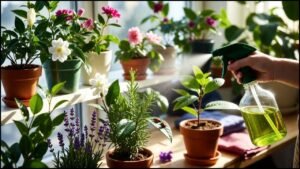
Protecting fragrant indoor plants from pests naturally is essential for maintaining their health, beauty, and aroma. Pests like aphids, spider mites, and mealybugs can damage leaves, stems, and flowers, reducing both growth and fragrance. By taking proactive measures—such as inspecting new plants, keeping pots and soil clean, providing proper light and watering, and avoiding overcrowding—you can significantly reduce the risk of infestations.
When pests do appear, natural control methods like neem oil, insecticidal soaps, homemade sprays, and companion planting offer safe, effective solutions without harmful chemicals. Regular monitoring, manual removal of insects, and maintaining overall plant health further help your plants resist infestations and thrive indoors.
By combining preventive care, early detection, and safe treatment, you can create a thriving, fragrant indoor garden. Healthy plants grow strong, bloom abundantly, and fill your home with delightful scents, all while remaining free from harmful pests.