
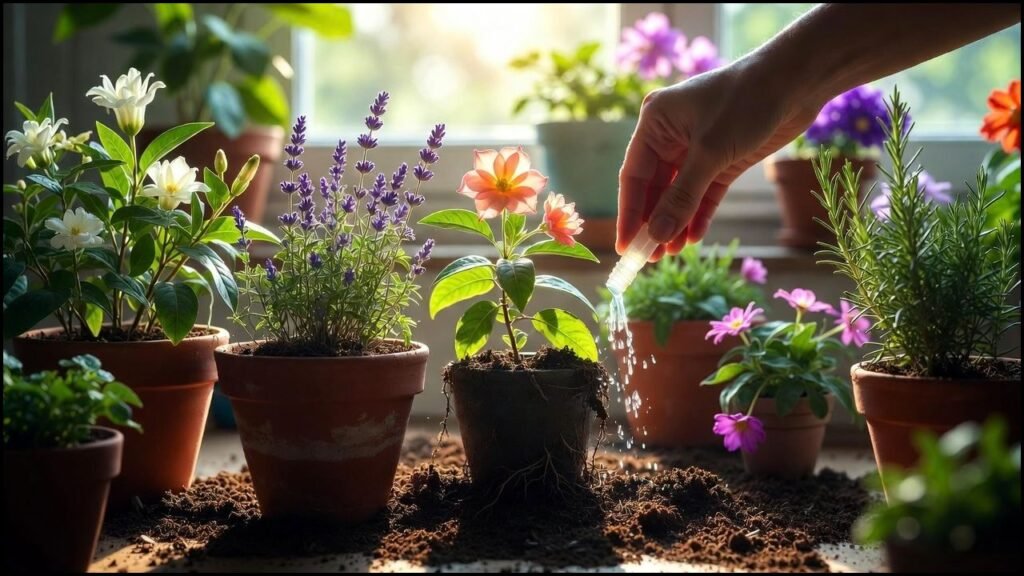
Propagating fragrant indoor plants is a rewarding way to expand your garden, share your favorite plants with friends, and ensure a steady supply of aromatic greenery in your home. Rather than buying new plants, propagation allows you to grow new plants from your existing ones, saving money while maintaining the same fragrance, appearance, and health of the parent plant. Whether you have flowering plants like jasmine or gardenia, or aromatic herbs like mint and rosemary, learning how to propagate them opens up endless possibilities for indoor gardening.
Propagation is not just about increasing the number of plants—it also helps maintain plant health. By selecting strong, healthy stems or leaves for propagation, you encourage vigorous new growth and can rejuvenate older plants.
Asexual propagation methods, such as stem cuttings, leaf cuttings, division, or layering, are particularly effective for fragrant plants because they produce new plants that are genetically identical to the parent, ensuring the same aroma and flowering characteristics.
Understanding the basics of plant propagation is key to success. Each plant has unique requirements for light, water, humidity, and rooting medium, and paying attention to these needs can significantly increase your chances of success. Seasonal timing also plays a role, as most indoor plants root faster during active growth periods in spring and summer.
This guide will teach you how to propagate fragrant indoor plants using simple, practical methods. You’ll learn how to take cuttings, divide plants, layer stems, and care for your new plants so they grow healthy and strong. With patience, observation, and proper technique, you can transform a single fragrant plant into a thriving indoor garden, filling your home with beauty, greenery, and delightful aromas.
Understanding Plant Propagation
Plant propagation is the process of creating new plants from existing ones, allowing gardeners to expand their indoor garden without buying additional plants. By understanding how propagation works, you can grow healthy, fragrant plants that maintain the characteristics of the parent plant, including aroma, leaf shape, and flower quality.
Types of Propagation
Propagation can be divided into sexual and asexual methods:
Sexual Propagation (Seeds): Growing plants from seeds involves genetic variation, so the new plant may differ slightly from the parent in fragrance, color, or growth habit. While useful for some herbs and flowers, seed propagation is slower and less predictable for maintaining specific aromatic qualities.
Asexual Propagation (Vegetative Methods): This includes stem cuttings, leaf cuttings, division, and layering. Asexual propagation produces new plants that are genetically identical to the parent, preserving fragrance, blooms, and overall characteristics. It is the preferred method for most fragrant indoor plants.
Benefits of Asexual Propagation for Fragrant Plants
Ensures new plants have the same aroma and flowering traits as the parent
Faster results compared to growing from seeds
Helps rejuvenate older plants and manage plant size
Cost-effective and sustainable way to multiply your indoor garden
By understanding the different types of propagation and their benefits, you can choose the method best suited for your fragrant indoor plants. This knowledge forms the foundation for successfully growing new, healthy, and aromatic plants from your existing collection.
Choosing the Right Plants for Propagation
Selecting the right parent plants is a crucial step in successful propagation. Healthy, strong plants produce new plants that are vigorous, fragrant, and free from disease, ensuring the success of your indoor garden expansion.
Selecting Healthy, Disease-Free Plants
Always choose plants that show no signs of pests, diseases, or nutrient deficiencies. Look for stems and leaves that are firm, vibrant, and free from spots, yellowing, or wilting. Propagating from a weak or unhealthy plant reduces the likelihood of successful rooting and can spread problems to new plants.
Ideal Fragrant Indoor Plants for Propagation
Certain fragrant plants are particularly suitable for indoor propagation:
Flowering plants: Jasmine, gardenia, stephanotis – ideal for stem cuttings that produce strong, aromatic blooms.
Aromatic herbs: Mint, rosemary, lavender, lemon balm – thrive with stem or leaf cuttings and maintain their scent in new growth.
Seasonal Considerations for Best Results
Most indoor plants root faster and grow more successfully during active growth periods, typically in spring or summer. Avoid propagating during dormancy or winter unless your indoor environment provides ample light and warmth.
Choosing the Right Stem or Leaf
For stem propagation, select new but firm growth that is not too woody or too soft. For leaf cuttings, pick healthy, mature leaves with intact veins to encourage rooting. Choosing the right plant material ensures faster rooting and stronger new plants.
By carefully selecting the right parent plants, you lay the foundation for successful propagation, creating healthy, fragrant new plants that will thrive in your indoor garden.
Propagation by Stem Cuttings
Propagation by stem cuttings is one of the most popular and effective methods for growing new fragrant indoor plants. It is a simple, reliable technique that produces plants identical to the parent, preserving their aroma and flowering traits.
Selecting the Right Stem

Choose a healthy, non-woody stem from the parent plant. Ideally, the stem should have several nodes (points where leaves grow) and be free from pests or disease. Avoid stems that are too old or too soft, as these may not root successfully.
Preparing the Cutting
Cut a 4–6 inch segment just below a node using a clean, sharp knife or scissors.
Remove the lower leaves, leaving 2–3 leaves at the top to reduce moisture loss.
Optional: Dip the cut end in rooting hormone to encourage faster root development.
Rooting in Water vs. Soil
Water: Place the prepared cutting in a clean glass of water, ensuring the nodes are submerged. Change the water every few days to prevent bacterial growth. Roots typically appear in 2–4 weeks.
Soil: Plant the cutting in a pot with well-draining soil, keeping it moist but not waterlogged. Covering the pot with a clear plastic bag can create a humid environment that promotes rooting.
Tips for Successful Rooting
Place cuttings in bright, indirect light.
Maintain a warm environment, ideally between 65–75°F (18–24°C).
Avoid direct sunlight, which can stress or scorch the cutting.
Once roots are well-established, the new plant can be potted into regular soil and treated like a mature plant. Stem cutting propagation allows you to multiply fragrant indoor plants efficiently, ensuring your indoor garden continues to thrive and fill your home with aroma.
Propagation by Leaf Cuttings
Propagation by leaf cuttings is another effective method for producing new fragrant indoor plants, particularly for herbs and certain aromatic foliage plants. This technique allows you to grow a new plant from a single healthy leaf, making it a low-stress and efficient way to multiply your collection.
Suitable Plants for Leaf Propagation
Some fragrant indoor plants respond well to leaf propagation:
Scented geraniums
Lemon balm
Certain varieties of mint
African violets (for aromatic foliage varieties)
Preparing Leaf Cuttings
Select a healthy, mature leaf free of damage or disease.
Cut the leaf at its base or, for larger leaves, slice it into sections, ensuring each piece has a main vein.
Allow the cut ends to callous for a few hours to reduce the risk of rot.
Planting Leaf Cuttings
Insert the leaf or leaf section into a pot filled with moist, well-draining soil.
Keep the soil consistently moist but not soggy to encourage root development.
Place the pot in bright, indirect light to support growth without stressing the leaf.
Monitoring Growth
New roots and tiny shoots will begin to appear after several weeks. At this stage, maintain consistent care, providing appropriate water, light, and humidity. Once the new plant is well-established, it can be treated like a mature plant.
Leaf cuttings are a versatile propagation method that allows gardeners to grow multiple new plants from a single leaf. This technique is especially useful for aromatic foliage plants, helping you expand your indoor garden while preserving fragrance and vitality.
Conclusion
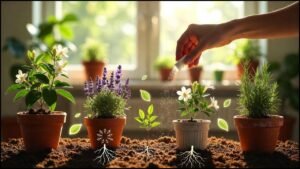
Propagating fragrant indoor plants is a rewarding and cost-effective way to expand your indoor garden while preserving the aroma, beauty, and health of your favorite plants. Whether using stem cuttings, leaf cuttings, division, or layering, propagation allows you to create new plants that are genetically identical to the parent, ensuring consistent fragrance and flowering.
By selecting healthy parent plants, choosing the right propagation method, and providing proper care for your new plants—including adequate light, water, and humidity—you can increase the success rate and enjoy a thriving indoor garden. Propagation not only multiplies your plants but also rejuvenates older specimens, encourages growth, and promotes sustainability by reducing the need to buy new plants.
With patience, observation, and attention to detail, anyone can successfully propagate fragrant indoor plants, turning a single plant into a lush, aromatic indoor oasis.