
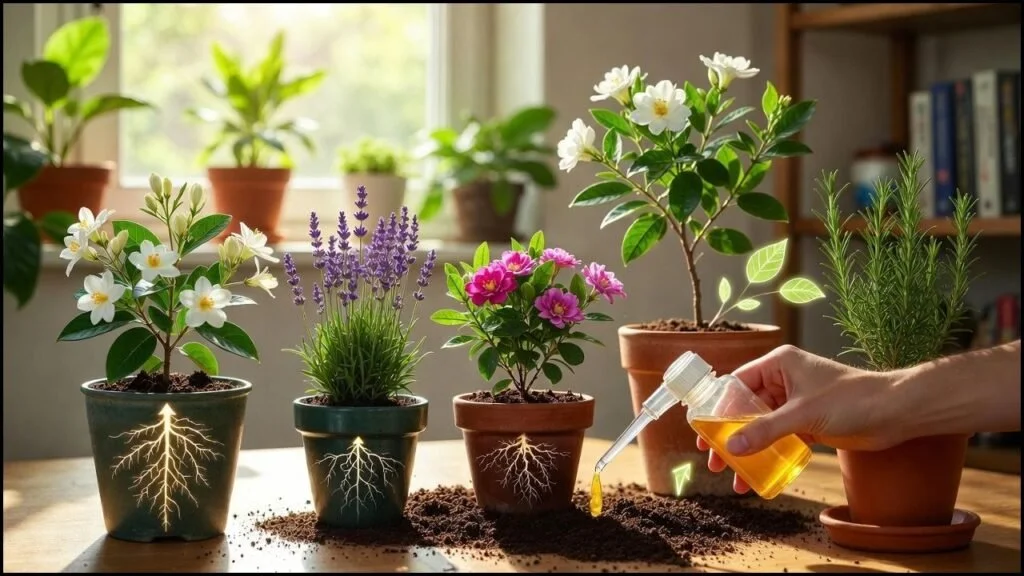
ragrant indoor plants are a beautiful way to bring life, color, and delightful aromas into your home. Beyond their natural beauty, they can enhance your living spaces, improve air quality, and create a calming, inviting atmosphere. However, simply having plants isn’t enough—the way you arrange them can make a significant difference in both aesthetics and fragrance.
Thoughtful placement allows plants to thrive while ensuring their scent spreads throughout your home, creating an immersive sensory experience.
Arranging fragrant plants effectively combines the principles of interior design with plant care. You need to consider factors such as light requirements, space, plant size, and growth habits to ensure each plant remains healthy while contributing to the overall look and feel of the room.
Clustering plants, using height variations, and pairing plants with decorative pots can transform ordinary corners into striking focal points. The right arrangement balances visual appeal with functionality, allowing you to enjoy the fragrance and beauty without overcrowding or stressing the plants.
Another key element of arranging fragrant indoor plants is understanding fragrance distribution. Highly aromatic plants, such as jasmine, gardenia, or rosemary, can fill a room with their scent, but placing them too close together in small spaces may create an overpowering aroma.
Strategic placement in living areas, entryways, or dining spaces can enhance your home’s ambiance naturally, while flowering and foliage-scented plants can be combined for layered scents and textures.
This guide will walk you through the essentials of arranging fragrant indoor plants for home decoration. You’ll learn how to choose the right plants, consider light and space, group and layer them for visual impact, and incorporate them into your décor creatively.
With careful planning and a touch of creativity, your indoor plants can become living décor pieces that bring beauty, fragrance, and life to every corner of your home.
Choosing the Right Plants for Decoration
Selecting the right fragrant indoor plants is the first step in creating a beautiful and aromatic home environment. The ideal plants not only provide pleasing scents but also complement your décor, fit the available space, and thrive in indoor conditions.
Selecting Fragrant Plants Suitable for Indoors
Some plants are particularly well-suited for indoor spaces due to their manageable size, low maintenance needs, and strong aroma. Popular options include:
-
Flowering fragrant plants: Jasmine, gardenia, stephanotis
-
Aromatic foliage plants: Mint, lemon balm, rosemary, lavender
Choosing plants that naturally fit the lighting and temperature of your home ensures they remain healthy and continue to produce blooms and fragrance.
Combining Flowering and Foliage-Scented Plants

For a dynamic and layered display, combine both flowering and aromatic foliage plants. Flowering plants provide visual appeal with colorful blooms, while aromatic foliage adds texture and subtle fragrance. This combination keeps your indoor garden interesting year-round, even when certain plants are not in bloom.
Considering Plant Size, Shape, and Growth Habit
Pay attention to each plant’s mature size and growth pattern. Tall, upright plants work well in corners or near windows, while trailing or bushy plants can be placed on shelves, tables, or in hanging planters. Matching plant form to available space prevents overcrowding and maintains a balanced, visually pleasing arrangement.
Matching Plants to Your Décor Style
Choose plants and containers that complement your home’s décor. Sleek, modern interiors may benefit from minimalist pots and structured plant forms, while bohemian or rustic spaces can embrace lush, cascading plants in decorative baskets or ceramic pots.
By thoughtfully selecting the right combination of fragrant plants, you create the foundation for an arrangement that enhances both your home’s aesthetics and its natural scen.
Understanding Light and Space Requirements
Proper placement of fragrant indoor plants is essential for both their health and the overall aesthetics of your home. Light and space directly impact growth, flowering, and the intensity of fragrance, so arranging plants thoughtfully ensures they thrive while enhancing your décor.
Matching Plants to Light Conditions
Different fragrant plants have varying light needs. Flowering plants like jasmine or gardenia typically require bright, indirect light to produce blooms and strong aroma, while foliage-scented plants like mint or lemon balm can tolerate moderate light. Placing plants in locations that match their light requirements prevents weak growth, leggy stems, or reduced fragrance.
Avoiding Overcrowding
Overcrowding can stress plants and limit air circulation, increasing the risk of pests and fungal issues. Leave enough space between plants to allow leaves to expand and flowers to bloom fully. Adequate spacing also makes each plant visible, enhancing the visual appeal of your arrangement.
Considering Room Layout and Ceiling Height
Take into account the overall layout of the room, furniture placement, and ceiling height. Tall plants work well in corners or next to windows, while small or trailing plants can be placed on shelves, tables, or hanging planters. Properly considering these factors helps create a balanced, harmonious look that integrates seamlessly with your interior design.
Seasonal Adjustments

Indoor lighting changes with the seasons, so you may need to reposition plants to ensure they continue receiving sufficient light. Rotating plants periodically also promotes even growth and prevents leaning toward the light source.
By understanding and respecting each plant’s light and space requirements, you ensure that your fragrant indoor plants remain healthy, bloom consistently, and fill your home with natural aroma while enhancing its aesthetic appeal.
Grouping Plants for Visual Impact
Grouping fragrant indoor plants thoughtfully can transform your home décor, creating focal points that are both visually appealing and aromatic. Combining plants with different textures, colors, and heights adds depth and interest to any space, while also enhancing the overall fragrance experience.
Creating Focal Points with Clusters
Placing several plants together in a dedicated area draws the eye and establishes a natural centerpiece. For example, grouping a tall flowering plant like jasmine with smaller aromatic foliage plants such as mint or lemon balm can create a layered, eye-catching display.
Mixing Textures, Colors, and Heights
Variety adds interest. Combine:
-
Leaf textures: Smooth, glossy leaves with soft, feathery foliage
-
Plant heights: Tall plants at the back, medium plants in the center, trailing or small plants at the front or on shelves
-
Flower and foliage colors: Bright blooms with green leaves to create contrast and harmony
Using Symmetry or Asymmetry
-
Symmetrical arrangements: Ideal for formal or minimalist spaces, providing balance and order
-
Asymmetrical arrangements: Work well in casual or eclectic décor, offering a natural, dynamic look
Enhancing Fragrance Distribution
Clustering plants in high-traffic areas like living rooms, kitchens, or near seating areas allows their aroma to be more noticeable. Ensure airflow around grouped plants to prevent congestion and promote healthy growth.
By strategically grouping your fragrant indoor plants, you can create visually stunning displays that complement your home décor while amplifying the natural aroma throughout your living space.
Conclusion

Arranging fragrant indoor plants thoughtfully can elevate both the beauty and aroma of your home. By selecting the right combination of flowering and foliage-scented plants, considering light and space requirements, grouping them strategically, and using decorative pots and planters, you can create visually striking arrangements that enhance your décor. Proper placement also ensures that plants thrive, bloom abundantly, and release their natural fragrance throughout your living spaces.
A well-arranged indoor garden is more than just decoration—it brings life, color, and soothing aromas to your home while supporting the health of your plants. With attention to plant selection, placement, and creative styling, you can transform ordinary corners, shelves, or windowsills into vibrant focal points that delight the senses all year round. Thoughtful arrangement, combined with consistent care, allows your fragrant indoor plants to flourish, creating a harmonious, aromatic, and visually appealing home environment.