
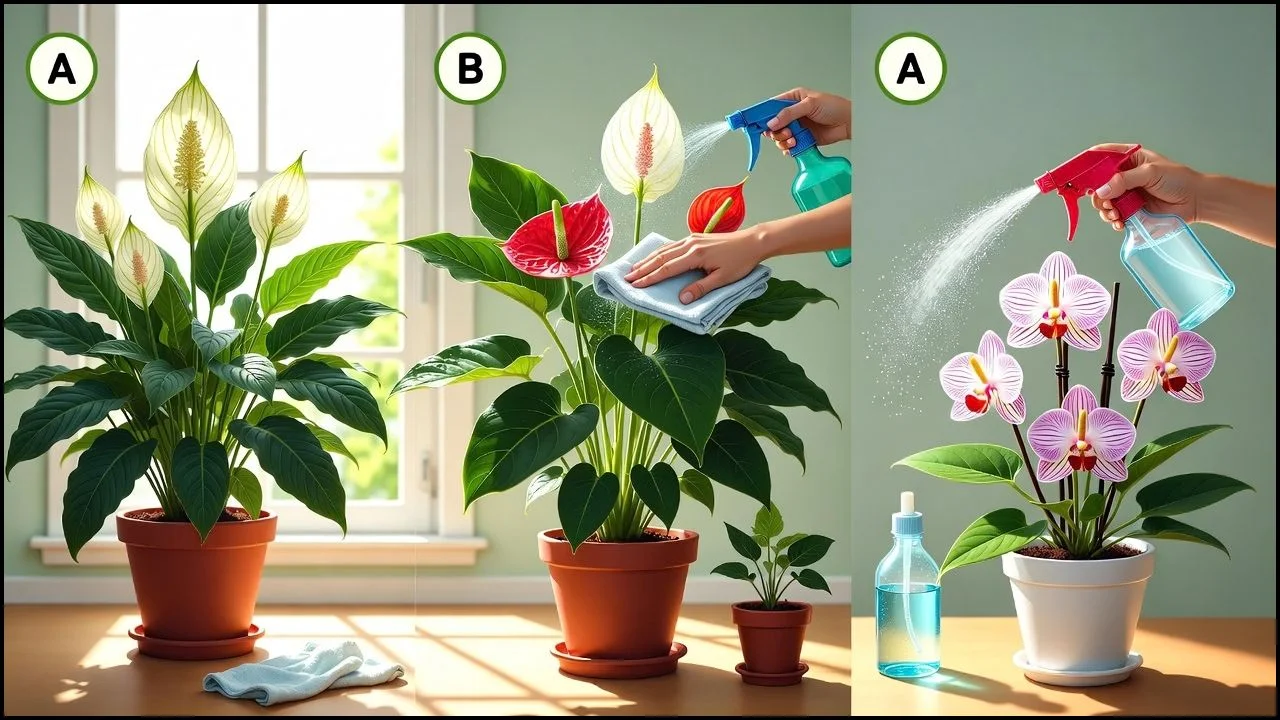
Indoor flowering plants bring color, freshness, and life into our homes. From vibrant blooms to lush green foliage, these plants not only enhance the beauty of a space but also create a calming and welcoming environment. However, while many plant owners focus on watering, fertilizing, and providing sunlight, one important aspect of plant care is often overlooked—cleaning the leaves.
Over time, dust and debris naturally accumulate on the leaves of indoor plants. Unlike plants growing outdoors that benefit from rain and wind to keep them clean, indoor plants rely on us to maintain their leaves. When dust builds up, it forms a thin layer that blocks sunlight from reaching the leaf surface. This can interfere with the plant’s ability to perform photosynthesis, the process it uses to produce energy for growth and flowering.
For flowering indoor plants, clean leaves are especially important. Healthy leaves support the plant’s overall energy production, which directly affects the quality and quantity of blooms. When leaves are clean, plants can absorb more light, breathe better through their pores, and grow more vigorously. In addition, regular leaf cleaning allows you to inspect your plants closely, helping you spot early signs of pests, diseases, or other issues before they become serious problems.
Keeping plant leaves clean doesn’t have to be complicated or time-consuming. With a few simple tools and gentle techniques, you can remove dust and keep your plants looking vibrant and healthy. In this guide, you’ll learn why leaf cleaning matters and the best methods to safely clean the leaves of flowering indoor plants without damaging their delicate foliage or blooms.
Why Cleaning Plant Leaves Matters
Cleaning the leaves of your indoor flowering plants is more than just a cosmetic task. While shiny, dust-free leaves certainly make a plant look more attractive, regular leaf cleaning also plays an important role in keeping your plants healthy and thriving. Dust, dirt, and other particles can slowly build up on leaves, especially in indoor environments where there is no rain to naturally wash them away.
Improves Photosynthesis
One of the main reasons to clean plant leaves is to support photosynthesis. Leaves act like solar panels for plants, capturing sunlight and converting it into energy that fuels growth and flowering. When a layer of dust covers the surface of the leaves, it blocks some of the sunlight the plant needs.
Over time, this reduced light absorption can slow down the plant’s growth and may even lead to fewer or weaker blooms. By regularly wiping away dust, you allow the leaves to receive maximum sunlight, helping the plant produce the energy it needs to stay healthy and continue flowering.
Helps Prevent Pests and Diseases

Dusty leaves can also create an environment where pests are more likely to appear. Small insects such as spider mites, aphids, and mealybugs often hide on the underside of leaves where they can go unnoticed. When you clean your plant’s leaves, you naturally inspect them more closely.
This routine check makes it easier to spot early signs of pests or disease before they spread to other plants. Catching problems early can save your plant from serious damage and make treatment much easier.
Keeps Plants Looking Vibrant
In addition to improving plant health, clean leaves also make a noticeable difference in appearance. Dusty plants can look dull and lifeless, while freshly cleaned leaves appear brighter and more vibrant. For flowering plants, this means the colorful blooms stand out even more against healthy, glossy foliage, making your indoor garden look its bes.
How Often You Should Clean Indoor Plant Leaves
Cleaning the leaves of indoor flowering plants does not need to be done every day, but making it a regular part of your plant care routine can make a big difference in their overall health. The frequency of cleaning largely depends on your home environment, the type of plant you have, and how quickly dust tends to accumulate in your space.
In most homes, cleaning plant leaves every two to four weeks is a good general guideline. During this time, a noticeable layer of dust can settle on the leaves, especially if the plants are placed near windows, vents, or high-traffic areas. Regular cleaning helps prevent dust buildup and keeps the leaves functioning properly.
However, some homes may require more frequent cleaning. If you live in an area with a lot of outdoor dust, keep your windows open often, or have pets that shed hair and dander, dust can accumulate faster. In these situations, checking your plants weekly and wiping the leaves when needed can help keep them healthy.
Seasonal changes can also affect how often you should clean your plants. During winter months, indoor heating systems can circulate dust throughout the house, which may cause leaves to become dusty more quickly. Similarly, during spring and summer, open windows can bring in pollen and outdoor particles that settle on plant surfaces.
It is also helpful to observe your plants regularly. If the leaves start to look dull or feel slightly dusty when touched, it’s a good sign that they are ready for cleaning. By paying attention to your plants and maintaining a simple cleaning schedule, you can ensure they stay vibrant, healthy, and ready to produce beautiful blooms.
Tools You’ll Need

Cleaning the leaves of flowering indoor plants doesn’t require many supplies. In fact, most of the tools you need are simple household items that help you remove dust gently without damaging delicate leaves or flowers. Using the right tools ensures that the cleaning process is safe and effective while keeping your plants looking healthy and vibrant.
One of the most useful tools is a soft microfiber cloth. Microfiber cloths are gentle on plant leaves and very effective at picking up dust and dirt without scratching the surface. They can be used dry for light dusting or slightly damp to remove stubborn residue.
A spray bottle filled with lukewarm water is also helpful. Lightly misting the cloth or the leaves can make it easier to wipe away dust. Lukewarm water is best because extremely cold or hot water can stress delicate indoor plants.
For plants with small or hard-to-reach leaves, a soft brush can be very useful. Many plant owners even use a clean makeup brush or paintbrush to gently sweep dust from the leaf surface. This method works especially well for plants with textured or delicate foliage that should not be wiped too firmly.
You may also want to keep cotton pads or soft sponges nearby. These are helpful when cleaning larger leaves or when applying a mild cleaning solution.
In some cases, a small bowl of water with a drop of mild liquid soap can help remove sticky residue caused by pests or environmental buildup. However, soap should only be used occasionally and always in very diluted amounts to avoid harming the plant.
With these simple tools ready, cleaning your indoor flowering plants becomes a quick and easy part of your regular plant care routine.
Conclusion

Keeping the leaves of your flowering indoor plants clean is a simple yet essential step in ensuring their health, beauty, and longevity. Dust and dirt may seem harmless, but over time they can block sunlight, reduce photosynthesis, and even attract pests, all of which can affect the plant’s ability to grow and produce vibrant blooms. Regular leaf cleaning not only helps your plants absorb light and nutrients more efficiently but also gives you a chance to inspect them for early signs of disease or pest problems.
With a few basic tools—such as a soft microfiber cloth, lukewarm water, or a gentle brush—you can safely remove dust and debris without damaging delicate leaves or buds. Whether you choose to wipe each leaf individually, give your plant a gentle shower, or use a mild soap solution for stubborn residue, the key is consistency and care. Making leaf cleaning a regular part of your plant care routine ensures that your indoor garden stays healthy, vibrant, and visually stunning.
Ultimately, clean leaves mean healthier plants, stronger blooms, and a brighter, more inviting home environment. By taking just a few minutes every few weeks to care for your plant’s foliage, you’re giving your flowering indoor plants the best chance to thrive—and your home the lush, vibrant greenery it deserves